

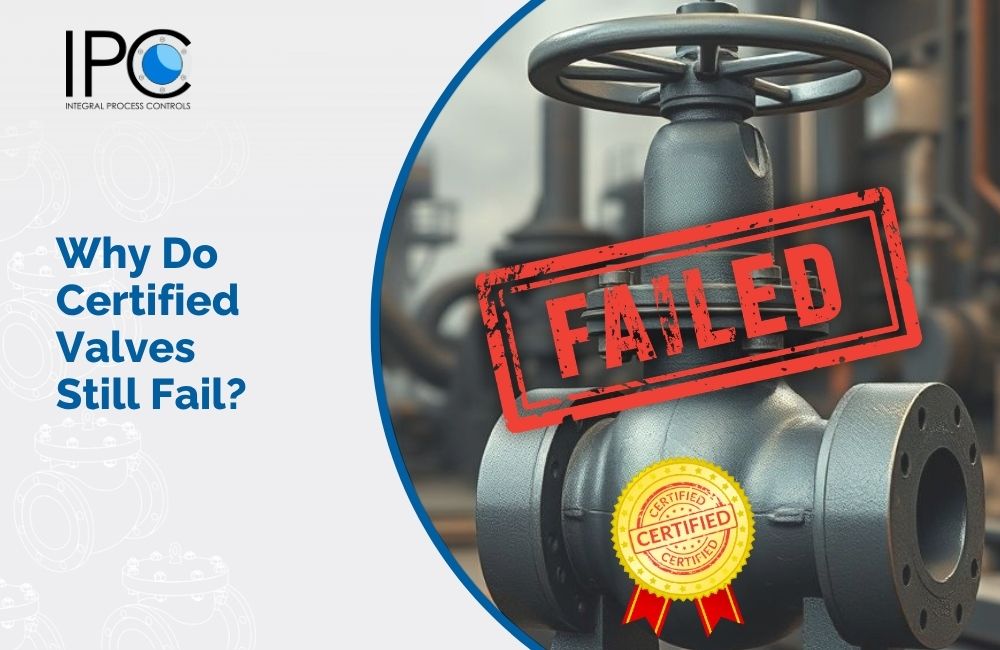
A Certificate Doesn’t Guarantee the Right Valve
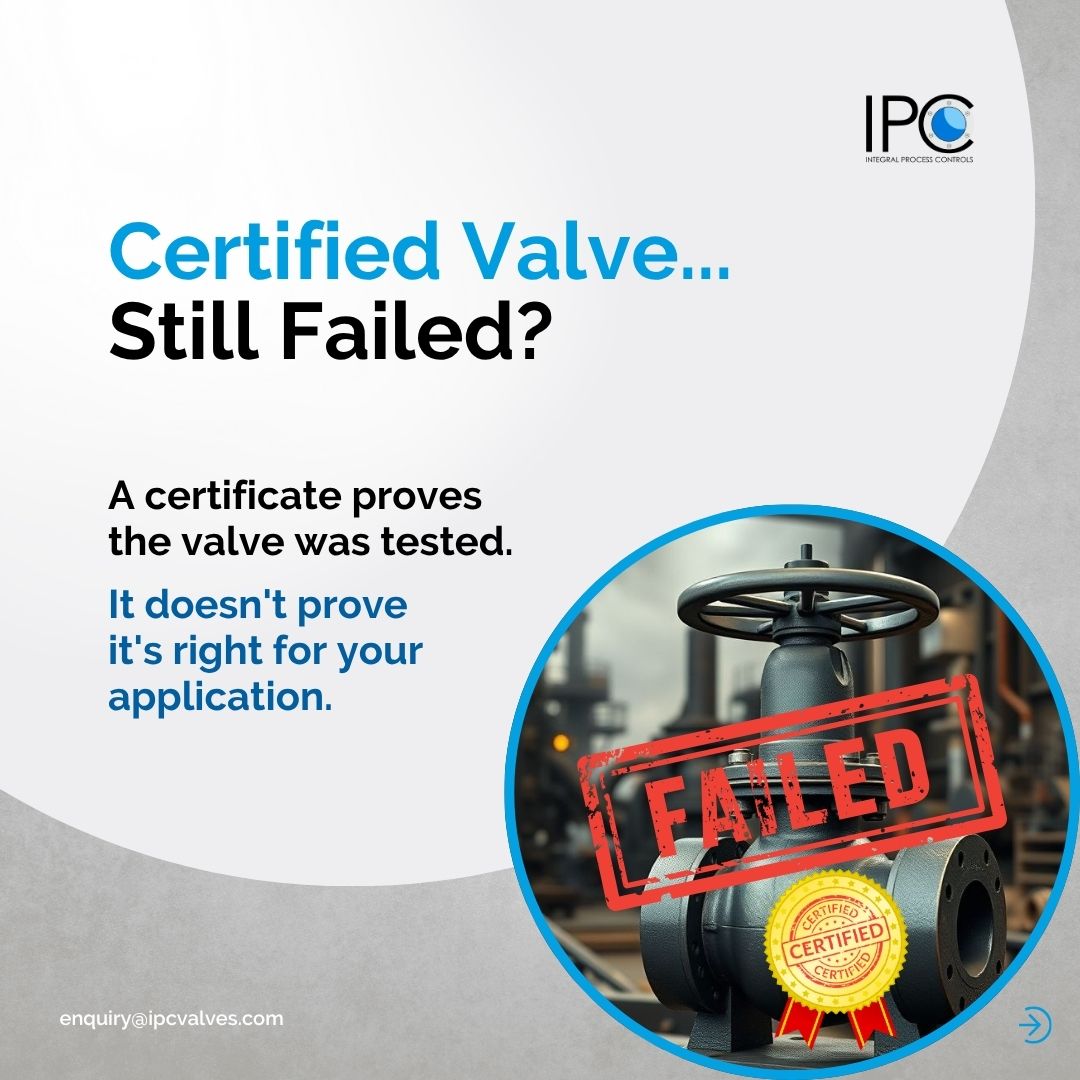
Many industrial valves come with certifications and test reports. But even a certified valve can fail if it is not selected for the right application.
A certificate only proves that the valve passed a standard test. It does not guarantee that the valve is suitable for your plant’s pressure, temperature, fluid, or operating conditions.
That is why many valve failures happen after installation not during factory testing.
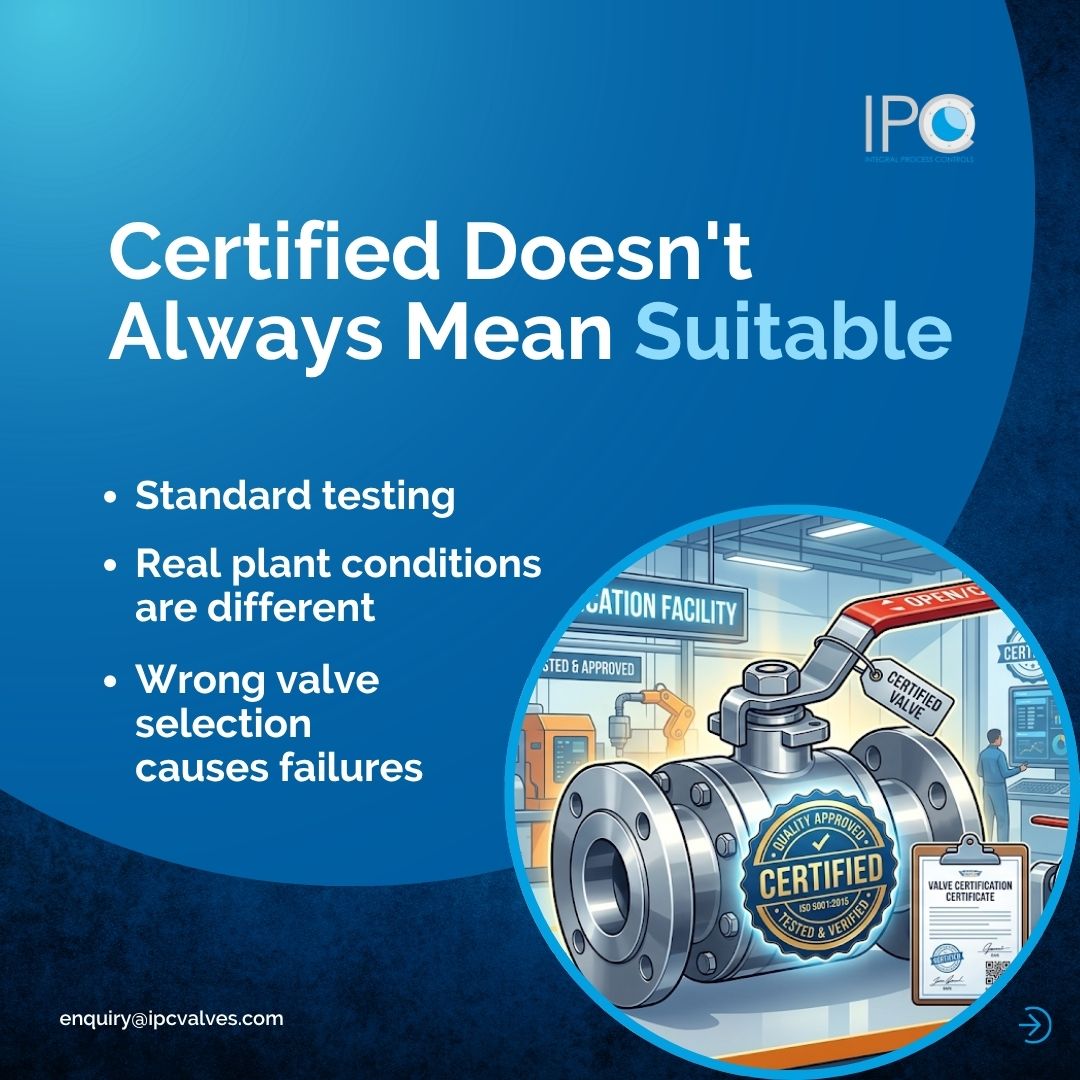

Why Do Certified Valves Fail?
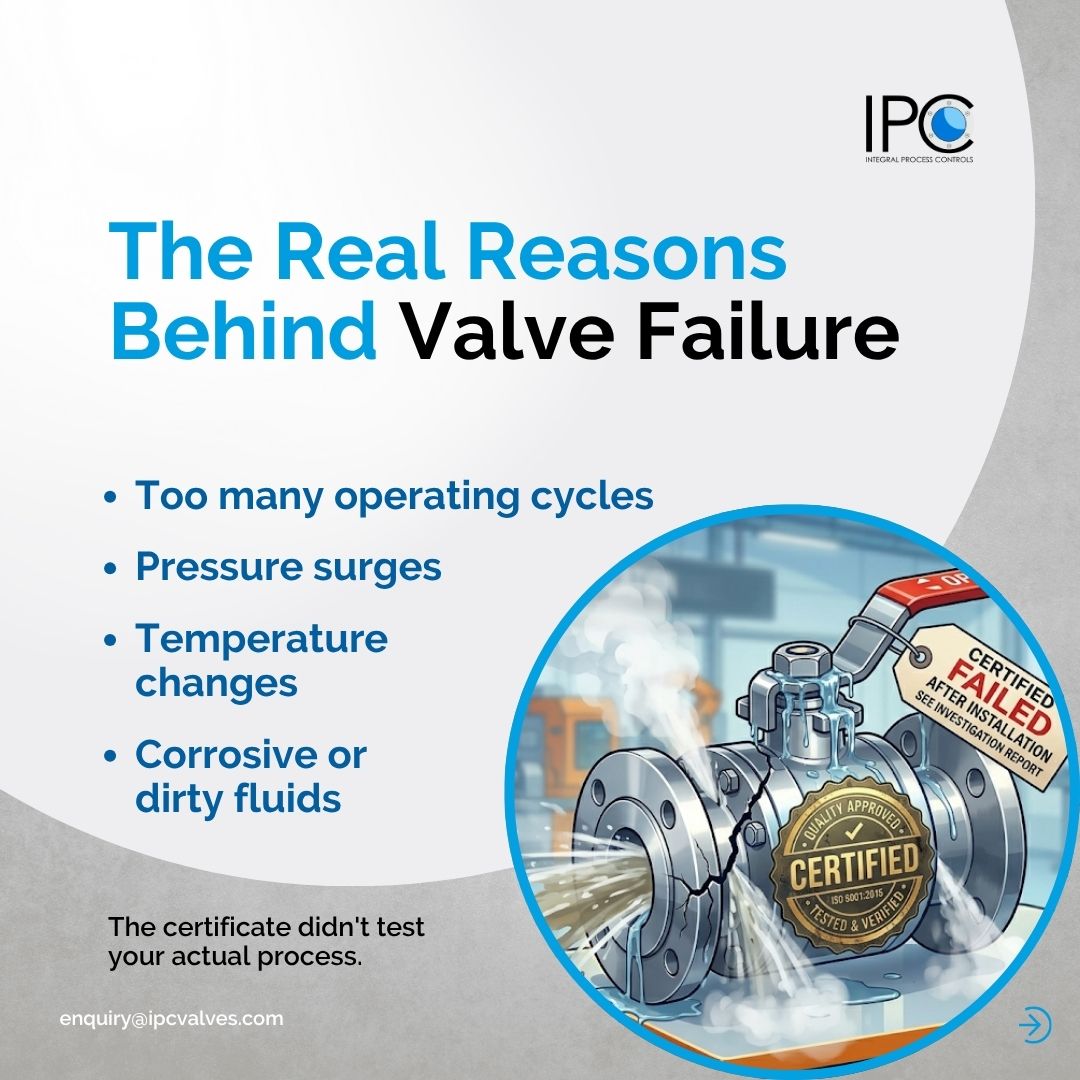
Most failures happen because the valve is used in conditions it was never designed for.
Common reasons include:
- Too many opening and closing cycles wear out the packing.
- Pressure spikes damage the valve seat.
- High temperature changes affect sealing performance.
- Corrosive or dirty fluids damage internal parts.
- Incorrect valve type or material for the application.
The valve may be certified, but if it doesn’t match the actual duty, failures are still possible.
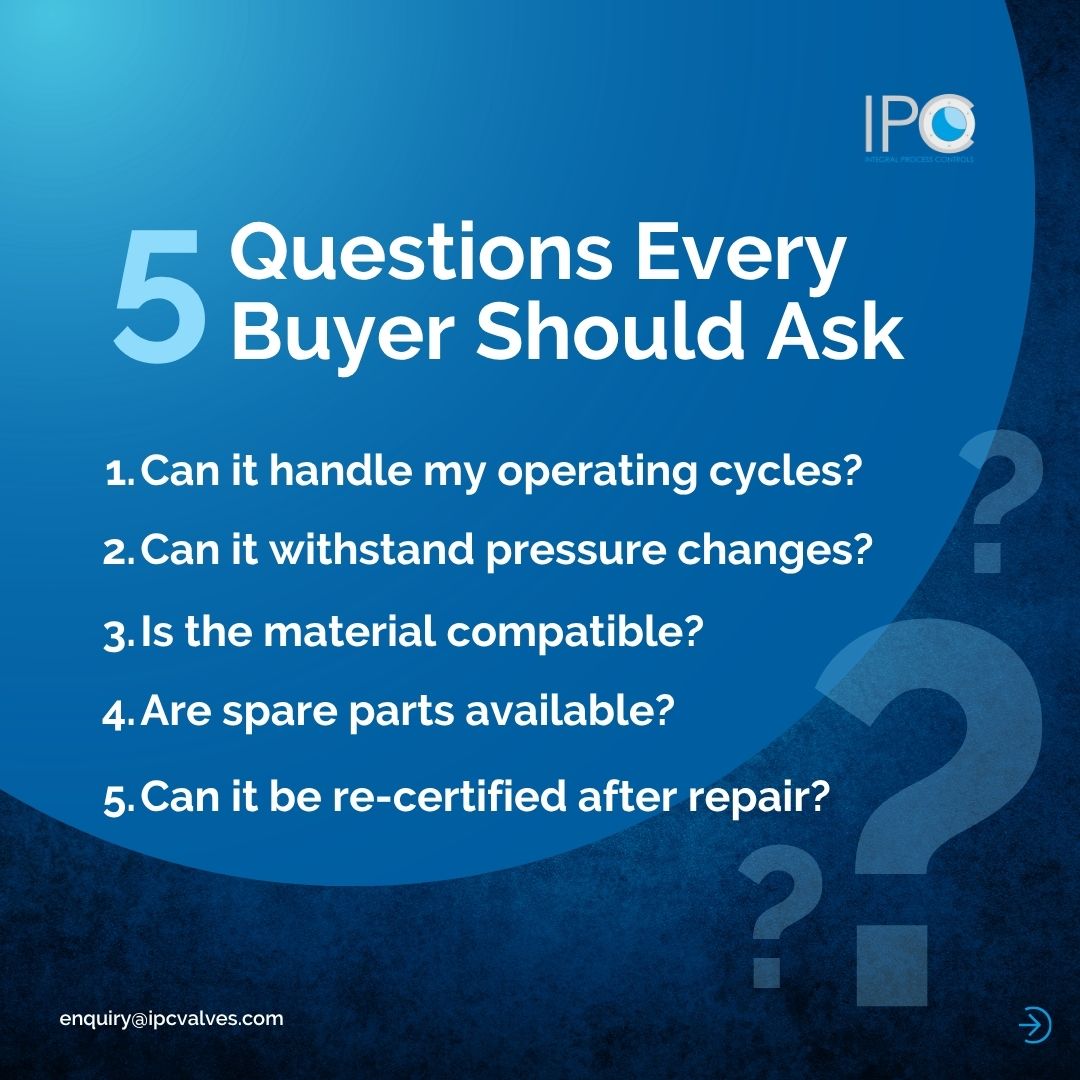
What Should You Check Before Buying?
Don’t rely only on the certificate. Ask these important questions:
1. Can the valve handle my operating cycles?
A valve that opens and closes frequently needs higher cycle life.
2. Can it handle pressure and temperature changes?
Many plants experience pressure surges and temperature fluctuations every day.
3. Is the material suitable for my process fluid?
Check compatibility with chemicals, corrosive media, and contaminants.
4. Are spare parts easily available?
Fast access to packing kits and replacement parts reduces downtime.
5. Can the valve be re-certified after repair?
A clear repair and re-certification process protects long-term reliability.Simple Procurement Checklist
Before placing an order, make sure you know:
- Operating pressure and temperature
- Valve operating frequency
- Process fluid compatibility
- Spare parts availability
- Repair and re-certification support
Final Thought
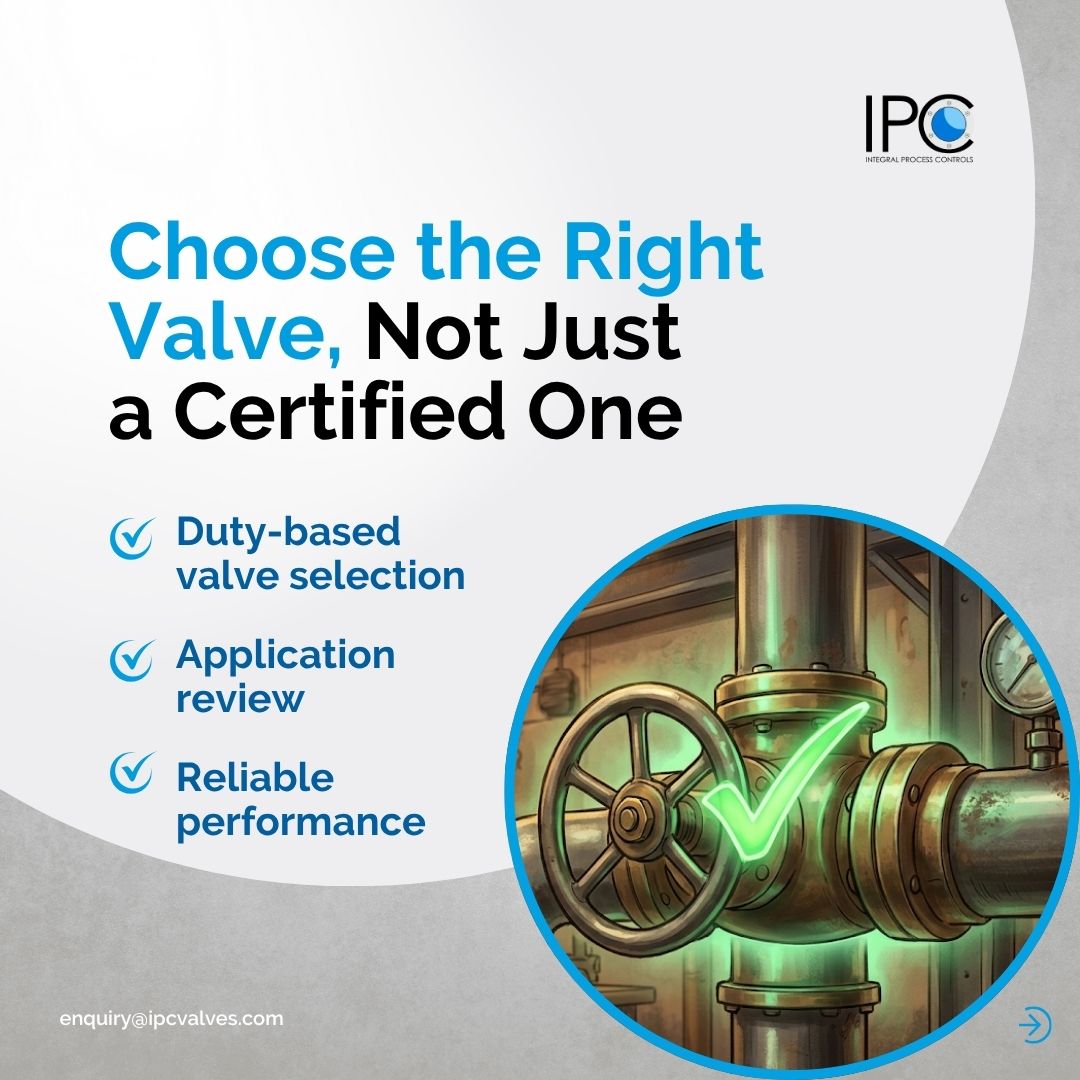
A certificate is only the starting point.
The right valve is the one that matches your actual operating conditions.
Choosing the correct valve today helps prevent future leakage, downtime, maintenance costs, and safety risks.
IPC Valves Can Help
Share your operating conditions with IPC Valves.
Our engineering team will review your application and recommend the most suitable valve not just a certified one.
Choose the right valve before problems begin.